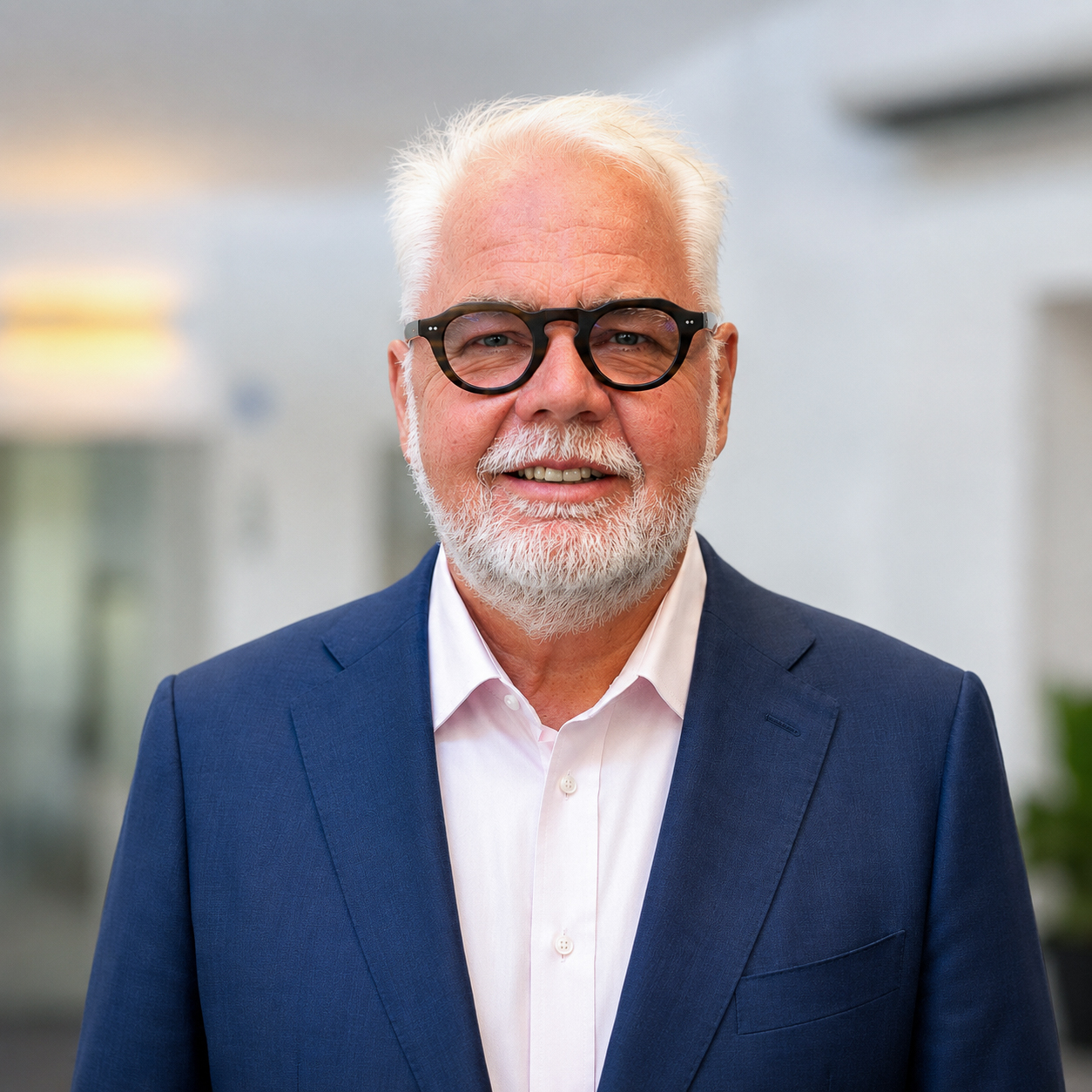
Stephen Rayment
Founder, CEO & Group Managing Director
Founder, CEO & Group Managing Director
Construction and infrastructure consultancy has never been a gentle profession. Tight deadlines, high-value disputes, long hours, and the pressure of getting complex, high-stakes projects right, all take a toll. For many of our people, that pressure is compounded further still: overseas deployment to hardship locations, time away from family, and the particular strain of working in unfamiliar, sometimes difficult environments.
At the same time, we are seeing a generational shift. Younger colleagues entering our industry are more likely than any generation before them to experience mental health challenges, and encouragingly, far more willing to talk about them openly. That shift asks something of employers. It is no longer enough to treat mental health as a private matter that stops at the office door. It has to be treated as a genuine business priority.
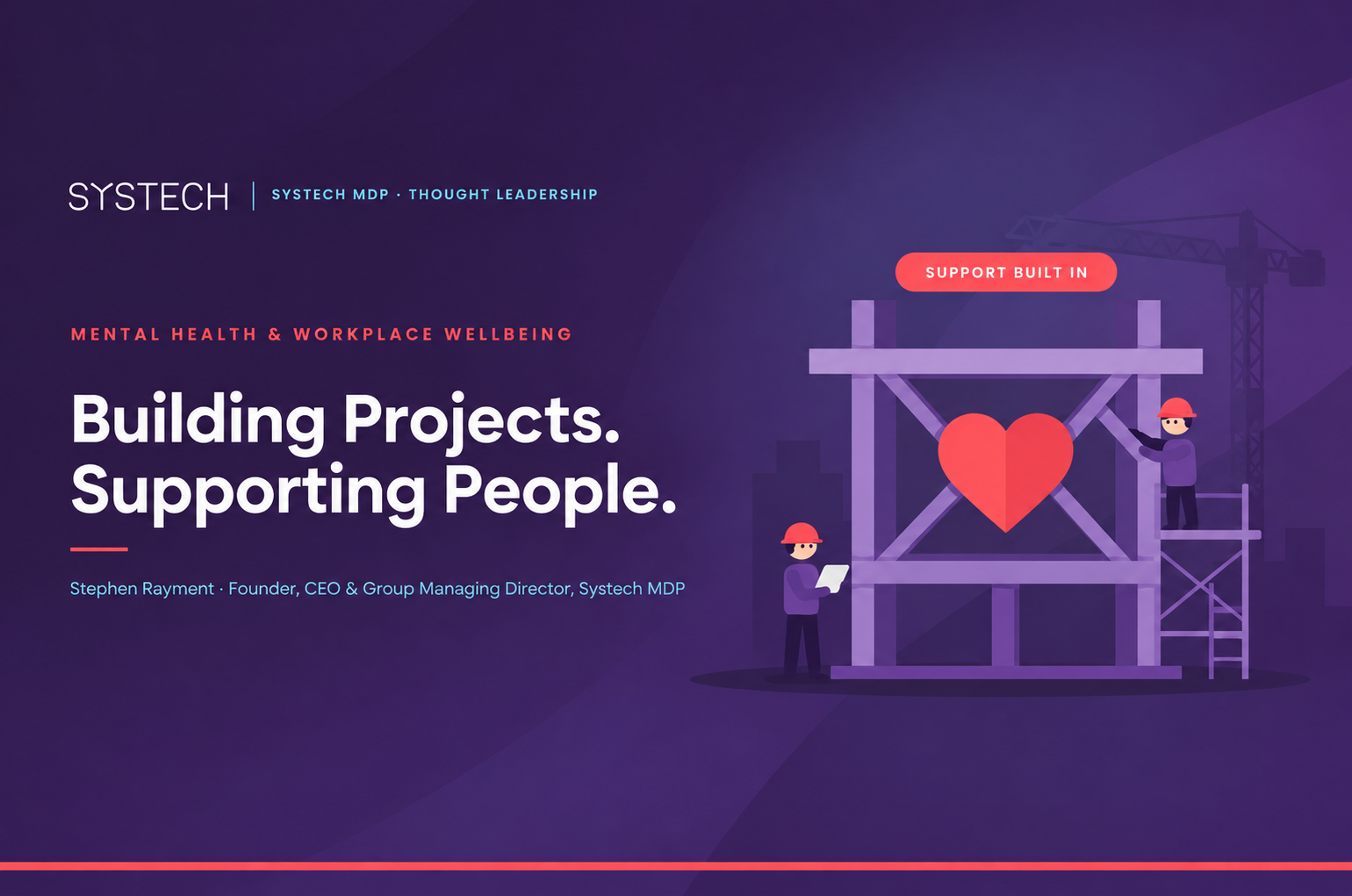
Mental health support isn't a policy we keep in a drawer for when something goes wrong. It's part of how Systech is run, every day.
Systech's founders have long recognised that the nature of our work, claims, disputes, expert witness services, and delivery of major infrastructure projects places real and sustained pressure on the people who do it. Deadlines are unforgiving. The stakes on a major dispute or a delayed project are measured in millions. And for colleagues deployed overseas, sometimes into genuine hardship locations, the pressures of the work are joined by the pressures of distance: from family, from familiar support networks, from home.
We don't think pretending otherwise helps anyone. Naming that pressure honestly, rather than treating resilience as something people should simply be expected to have, is the starting point for doing something meaningful about it.
What that looks like in practice
Systech's approach is built around genuine, practical support, not simply awareness raising for its own sake. Concretely, that means:
Raising awareness of mental health across the business so that colleagues recognise the signs in themselves and in each other, and know that speaking up is welcomed, not penalised.
Signing the Building Mental Health Charter, reinforcing our commitment to reducing stigma, encouraging open conversations and supporting better mental health across the business.
Providing extended paid leave and support in accessing treatment where a colleague needs time to recover, without the added stress of financial pressure or job insecurity on top of everything else.
Providing retained, confidential counselling support to all colleagues, helping to manage stress before it becomes a crisis and providing a genuinely independent space to talk.
Continuing to improve working conditions more broadly, including workload, deployment planning and support structures for colleagues working overseas, rather than treating wellbeing as separate from how projects are actually run.
Visible commitments matter, but they only have value when they are backed by action. Systech's leadership, from our founders down, has taken the view that supporting our people's mental health is inseparable from running the business well.
A firm that expects its people to operate under real pressure, in demanding locations, on complex and high-value work, has an obligation to support them properly in return. That isn't corporate box ticking; it's simply what we think a responsible employer in this industry should do.
We don't claim to have this perfectly solved. No organisation does, and mental health support is something you keep working at, not something you finish.
But we believe the construction and consultancy sector needs more employers willing to say plainly that this matters, and to back that up with real measures: paid leave when it's needed, proper access to treatment, confidential counselling, and a genuine effort to improve the conditions our people are working under in the first place.
If you're building a career in this industry, or leading a team within it, we'd genuinely welcome the conversation about what supportive, sustainable working culture in construction should look like.
This should behave much better in Umbraco because there are no list elements at all — just normal paragraphs. I also slightly standardised the five commitments so they read consistently when presented this way.